



History of Stickers: How Printing Technology Changed Stickers
Stickers are used on product packaging, laptops, water bottles, and notebooks. Some share brand names, while others feature artwork or funny stickers that show personal interests.
But how did stickers develop from simple labels into the products we use today? The history of stickers follows changes in adhesives, printing technology, and popular culture. Today, the thermal sticker printer also gives people new ways to create their own designs.
What Are Stickers and How Do They Work?
A sticker is a piece of paper, vinyl, or plastic with an adhesive backing. It can serve decorative, informative, or practical purposes, such as labeling products or promoting brands.
Modern stickers have a peel-off backing and stick directly without extra glue or water. Older labels, such as traditional postage stamps, often required moisture to activate the adhesive.
Stickers are also different from decals. Decals typically use water or heat to transfer a design, while stickers usually attach directly through pressure.
History of Stickers: How They Evolved Over Time
Stickers in Ancient Times: Early Adhesive Materials
The idea behind stickers dates back thousands of years. Some historians believe that people in ancient Egypt used papyrus labels and natural adhesives to identify goods or display information.
These labels were often handwritten and attached to walls or goods with paste. Other ancient civilizations used clay seals and wax stamps to identify goods or seal messages.
Although these methods differed from modern stickers, they served similar purposes. They helped people share information, mark ownership, and support trade.
19th Century: Postage Stamps, Adhesive Paper, and the First Labels
The 19th century brought important changes to adhesive labels. In 1839, Sir Rowland Hill proposed postal reforms that helped pave the way for adhesive postage stamps.
Early stamps used gum on the back. People had to moisten the adhesive before applying them.
By the middle and late 1800s, similar labels were used on bottles, books, and packages. They helped businesses identify products and organize goods.

Printing technology also advanced during this period. In 1796, Alois Senefelder developed lithography, a printing process that transferred ink from a prepared surface onto paper.
Chromolithography followed in 1837 and allowed printers to produce designs in multiple colors. These developments helped make printed labels more detailed and suitable for wider production.
Early 20th Century: Stickers as Promotion and Collectibles
In the early 1900s, businesses used colorful paper labels to help their products stand out. Fruit crates and other goods could carry printed labels that identified their contents or promoted a brand.
Labels also became promotional materials. Companies used them to attract customers and encourage loyalty.
People began saving decorative labels, stamps, and seals. These habits helped lay the groundwork for later sticker-collecting trends.

1930s–1940s: The Beginning of Modern Self-Adhesive Stickers
A major turning point came in 1935. R. Stanton Avery developed a commercially viable self-adhesive label.
His design used pressure-sensitive adhesive and a removable backing. People could peel off a label and press it onto a surface without adding water or glue.
Early products were used for practical tasks, including retail price labeling. This made labels easier to apply and helped businesses produce them at scale.
1970s–1980s: Pop Culture, Sticker Craze, and DIY Labels
By the 1970s, stickers had become part of school life, music, and personal expression. Children collected sticker sheets and traded designs with friends. Bands also used stickers to promote albums and tours.
Punk and DIY communities used stickers to share messages and artwork. New styles included scratch-and-sniff, puffy, and holographic stickers.
During the 1980s, collectible stickers became especially popular among children and teenagers. Sticker albums and trading helped turn sticker collecting into a widespread hobby.
1990s: The Peak of Sticker Collecting
The sticker craze continued through the 1990s. Puffy, scented, and holographic designs appeared on school supplies, lunchboxes, and sticker sheets.
Popular television shows, films, and other entertainment brands also inspired collectible stickers. Children traded them, while teenagers used stickers to personalize skateboards, folders, and mirrors.
Stickers had become both collectibles and a form of self-expression.

2000s: Custom Stickers and Digital Printing
In the 2000s, online printing made custom stickers easier to order. Individuals and businesses could create designs featuring their own artwork, photos, or logos.
Stickers also became common on laptops, phones, and notebooks. Businesses used them for branding, packaging, and shipping.
Home printing opened another option for DIY projects. People could design stickers themselves instead of relying only on ready-made designs or commercial orders.
2010s–2020s: Modern Sticker Printing, Digital Uses, and Sustainability
Stickers continued to develop alongside digital technology. Businesses began using QR code stickers to connect physical packaging with websites, forms, and other online information.
Digital stickers also became popular in messaging apps. People could share sticker designs in conversations without printing them.
Sustainability became another area of development. Some manufacturers began exploring compostable paper, biodegradable adhesive materials, and other alternatives. The materials used vary by product, so not every sticker is environmentally friendly.

How Stickers Are Used Today
Stickers serve practical and creative purposes, from branding and product labeling to decoration and personal expression.
Businesses use custom stickers to promote their brands, add logos to packaging, or share QR codes that link to websites and social media.
People also use stickers to personalize everyday items, display their interests, share humor through funny stickers, and create custom designs for personal projects.
How Printing Technology Changed Stickers: A Sticker Maker
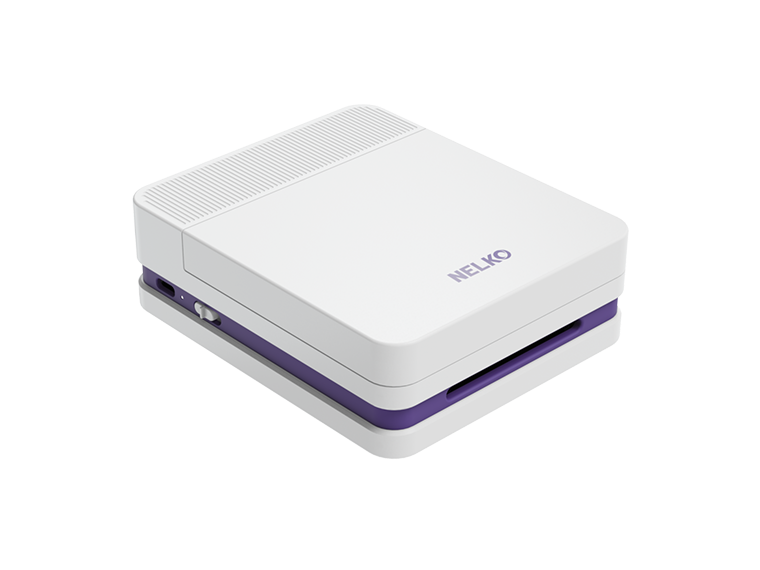
Sticker printing has become more accessible with portable sticker printers. For example, the NELKO PM230 combines direct thermal printing with Bluetooth connectivity, allowing users to print black-and-white designs from a mobile device without ink or toner.
With compatible self-adhesive thermal paper, the PM230 can create different types of stickers for everyday use. You can make simple labels for organizing items, decorative stickers for journals, or custom designs for personal projects.
With the portable NELKO PM230, you can print stickers at home or on the go. Simply use your phone and the NELKO app to turn your digital designs into physical stickers.

Frequently Asked Questions
When Were Stickers Invented?
There is no single invention date for every type of sticker. Early adhesive labels existed long before modern stickers. The 1935 development of a commercially viable self-adhesive label was a major milestone.
Who Invented Modern Self-Adhesive Stickers?
R. Stanton Avery developed a commercially viable self-adhesive label in 1935. His work helped make peel-and-stick labels easier to produce and use.
What Is the Difference Between Gummed Labels and Self-Adhesive Stickers?
Gummed labels usually require moisture to activate their adhesive. Self-adhesive stickers have a pressure-sensitive adhesive and a backing that can be peeled away before application.
How Has Modern Printing Technology Changed Sticker Making?
Modern printing technology has made sticker making more convenient and accessible. As we mentioned before, the NELKO PM230 uses thermal printing technology to print stickers without ink. You can turn your digital designs into physical stickers for crafts, journaling, and everyday projects.
Can You Make Custom Stickers at Home?
Yes. The method depends on the printer and materials. The NELKO PM230 can print small black-and-white designs from a phone or tablet using compatible thermal sticker paper. It connects through Bluetooth and the NELKO app.
Final Thoughts
The history of stickers reflects changes in adhesives, printing technology, and popular culture. Today, printing technology makes it easier than ever to create your own stickers.
With portable sticker printers, you can turn your ideas into stickers in a simple and fun way. Get started today and bring your creative ideas to life!