



Tattoo Healing Time: How Tattoo Stencil Printers Help?
Getting a new tattoo is exciting, but the healing process takes time. Your tattoo does not look the same every day after the appointment.
The skin goes through different healing stages as it recovers. Understanding what happens during each stage can help you care for your tattoo properly.
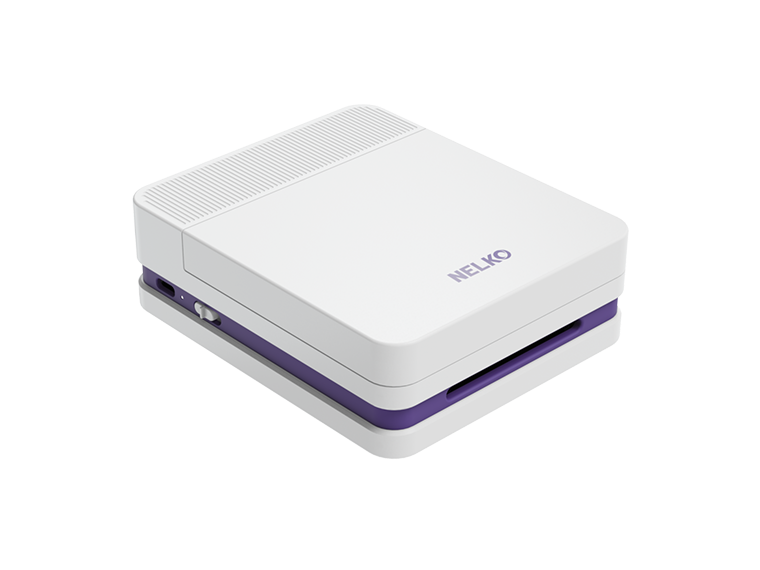
Before the healing process begins, tattoo preparation also matters. A thermal tattoo printer help artists create accurate stencils and transfer designs clearly before the tattoo is applied.
How Long Does It Take for a Tattoo to Heal?
So, how long do tattoos take to heal? Although every tattoo heals differently, most follow four main healing stages. A tattoo may look healed on the surface after around four weeks, but the skin underneath can take up to six months to fully recover.
Here are different tattoo healing stages with tips for tattoo aftercare instructions:
Stage 1: Initial Tattoo Healing Stage (About 1 Week)
The first stage of tattoo healing usually lasts about one week. During this time, your tattoo is still an open wound, so redness, swelling, oozing, and a warm or slightly burning feeling around the area are common.
Your tattoo artist may apply a protective wrap or bandage to protect the area from germs and accidental contact. Depending on the artist's recommendation, the wrap may stay on for a few hours or up to 3–5 days.
Tips: After removing the wrap, gently clean the tattoo with mild cleanser and lukewarm water. Keep the area moisturized, and wear loose clothing to reduce friction while the tattoo begins to heal.
Stage 2: Itching, Flaking, and Scabbing (About 1 Week)
During the second stage, your tattoo may become itchy, dry, and start to develop scabs or flaky skin. This phase usually lasts about one week.

Tips: Although itching can be uncomfortable, avoid scratching or picking at the tattoo. Doing so can damage the healing skin and affect the final appearance of your tattoo. Keeping the area clean and moisturized can help reduce dryness and irritation.
Stage 3: Peeling and Dull Appearance (About 2 More Weeks)
In the third stage, the tattoo may look dull, faded, or slightly milky as the outer layer of skin continues to peel away. This stage can last around two additional weeks.
Tips: The tattoo may appear different from when it was first completed, but this is a normal part of the healing process. Avoid removing peeling skin or scabs manually, and allow the tattoo to heal naturally.
Stage 4: Long-Term Healing and Tattoo Aftercare (Several Months)
Even when your tattoo looks healed on the surface, the deeper layers of skin may still be recovering. Full healing can continue for several months.
Tips: During this stage, continue caring for your tattoo by keeping your skin moisturized and protecting it from direct sunlight. Avoid prolonged water exposure, such as swimming or soaking, until your tattoo has fully healed. A good tattoo aftercare is vital for healing.
How Does a Tattoo Stencil Printer Help?
Before the tattoo healing process begins, proper preparation plays an important role in the final result. Modern tools like a tattoo stencil printer help artists create more accurate designs and make the tattooing process smoother.
By improving stencil precision and reducing unnecessary adjustments during tattooing, these tools can help minimize extra stress on the skin and support a better healing experience. So, what is the role of a tattoo printer?
Improve Design Accuracy
A tattoo stencil printer helps artists transfer designs with clear and precise outlines. This allows them to follow the original artwork more closely and reduces the chance of placement or design mistakes during the tattooing process.
Maintain Consistent Results
For detailed or complex tattoos, consistency is important. A stencil printer creates clean and repeatable stencils, helping artists maintain the same level of accuracy across different designs and appointments.
Save Preparation Time
Creating stencils by hand can take time, especially for detailed artwork. A tattoo stencil printer quickly transfers digital designs into ready-to-use stencils, allowing artists to spend more time focusing on the tattooing process.
Reduce Unnecessary Skin Stress
Accurate stencils help artists work with a clearer guide, which may reduce repeated adjustments or corrections during tattooing. A smoother tattooing process can help avoid unnecessary stress on the skin and create better conditions for the healing stage.
A tattoo stencil printer does not replace proper aftercare, but it helps improve the preparation process before the tattoo begins healing. Better accuracy, consistency, and efficiency can contribute to a smoother tattoo experience and support the overall healing journey.
How to Print Tattoo Stencils?
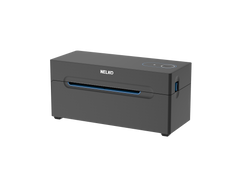
Take the Nelko's D810 Tattoo Stencil Printer as a example:
- Turn on the D810 and check the status indicator.
- Prepare Nelko tattoo transfer papers. Remove the backing and protective sheet. Then load the paper with the blue transfer layer facing up.
- Insert the tattoo transfer paper straight into the paper inlet.
- Download the Nelko App and connect the D810 inside the app.
- Import the tattoo design and confirm the paper setting.
- Adjust the design and print it.

Conclusion
Tattoo healing process is a gradual process that happens in several stages. The skin needs time to recover, and the tattoo may change as it heals.
Proper tattoo aftercare helps support the healing process. Before healing begins, tattoo stencil printers help artists prepare clear stencils and transfer designs accurately. You can also easily make the tattoo at home by yourself with this printer like Nelko D810. Give it a try and bring your tattoo designs to life!
FAQs
How long does it take for a tattoo to heal?
Tattoo healing happens in several stages. The skin first goes through an early healing stage, followed by peeling and scabbing, new skin development, and the final healing stage.
Why is my tattoo peeling?
Peeling can happen during the stage when the skin is repairing itself. Avoid picking or scratching the area and allow the skin to heal naturally.
Why do tattoo artists use stencil printers?
Tattoo artists use stencil printers to print designs onto transfer paper. The designs are then transferred onto the skin. Stencils provide clear outlines to follow during tattooing. They help artists maintain accurate placement and proportions. This makes the tattooing process more efficient.
When should I worry about my tattoo healing?
Normal healing can include changes such as peeling and scabbing. If your tattoo does not appear to be healing properly, follow the guidance provided by your tattoo artist or seek further advice.