



What is a Thermal Label Printer and How Does it Work?
Printing labels can be challenging when traditional printers are slow, require frequent ink replacement, or produce unclear results. A thermal label printer provides a simpler solution by using heat-based technology to solve these issues. In this guide, we will explain what a thermal label printer is, how it works, its key benefits, common uses, and how to choose the right model for your needs.
What is a Thermal Label Printer?
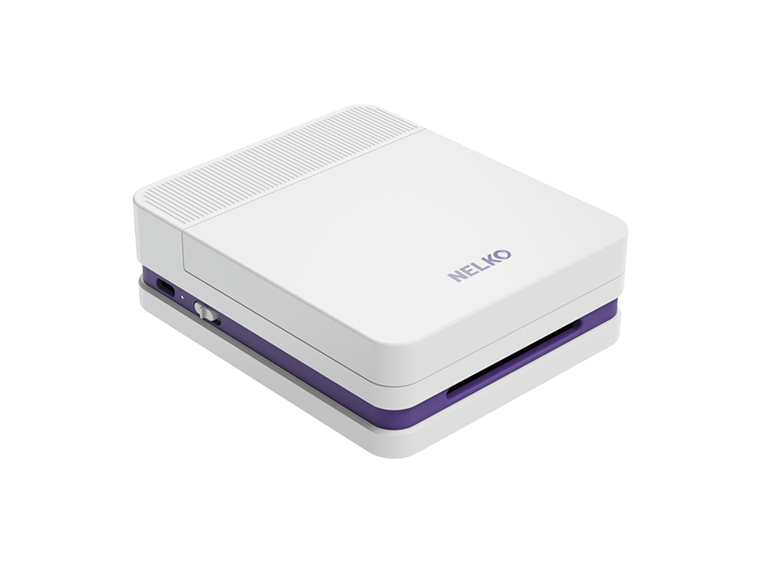
A thermal label printer is a type of printer specially designed to create labels, tags, and identification materials using heat-based printing technology. Unlike traditional printers that use ink or toner, it creates clear images on specially designed thermal labels or printing materials. Thermal label printers are widely used in industries such as retail, logistics, healthcare, and manufacturing, as well as for everyday labeling needs.
How Does a Thermal Label Printer Work?
When a user sends a printing command from a computer, smartphone, or label printing software, the label printer receives the digital information and converts it into heat patterns.
Regarding the internal working mechanism of the printer, a thermal label maker works through some core components. When a printing command is sent, the controller board processes the information and controls the printer's operations. The printhead then applies heat to create the required text, images, or barcodes, while the platen roller moves the label material through the printer. At the same time, sensors detect the position of the paper to ensure accurate alignment and smooth printing.
Thermal label printers mainly use two printing methods: direct thermal printing and thermal transfer printing.

Direct Thermal Printing
Direct thermal printing uses heat-sensitive labels with a special thermochromic coating. When the thermal print head heats specific areas of the label, the coating reacts and turns dark to create the printed image. This method does not require ink, toner, or ribbons, making it simple and cost-effective. A direct thermal printer is ideal when fast results are needed. It's useful for businesses that need quick and efficient printing, such as producing barcodes in bulk for mass production.
Thermal Transfer Printing
Thermal transfer printing is a durable printing method that uses a thermal printhead and a thin ribbon roll to create long-lasting labels. During printing, heat from the printhead melts the ink on the ribbon and transfers it onto the label surface, forming clear text or images that remain readable over time. When combined with durable label materials, thermal transfer printing provides strong resistance against heat, moisture, and wear.
It produces labels that are difficult to smudge or remove. This makes it suitable for applications such as inventory identification, certification labels, and laboratory specimen labeling.
Thermal transfer ribbons usually include three types: wax, wax-resin, and resin. Wax ribbons are suitable for general label printing, while wax-resin and resin ribbons provide higher durability for applications that require stronger resistance against chemicals, oils, and sunlight. This makes thermal transfer printing ideal for product labels, inventory labels, and industrial identification labels that need to remain clear for a long time.
Key Benefits of a Thermal Label Printer
Thermal label printers are game-changers for all respects including businesses or everyday labeling needs.
- Cost-effective: You don't have to keep buying ink cartridges or toners. Thermal label printers are inkless printers that use heat to create labels. Without ink, you can also avoid issues such as clogged printheads and dried ink.
- Fast and Efficient Printing: Thermal printers produce prints quickly, which is perfect for high-volume environments like logistics or retail.
- Enhanced Convenience: Their compact, lightweight design allows you to carry them anywhere. With a mini printer, you can print long-lasting labels on the go.
- User-Friendly Operation: Thermal printers have fewer moving parts compared with traditional printers, making them simple to operate and reliable for daily use.
A thermal label printer can handle many printing tasks, from business operations to everyday labeling. Depending on your needs, you can use it to print different types of labels.
What Can You Print with a Thermal Label Printer?
Shipping Labels: Use a bluetooth thermal shipping label printer likeNelko's PL70E printer to print addresses, tracking information, and barcodes for packages. It is useful for shipping, receiving, and order fulfillment.
 Product Labels: You can print product names, prices, and identification details for retail products. These labels make products easier to identify and manage.
Receipts and Tickets: A thermal printer can also print receipts, event tickets, wristbands, and ID badges. They are widely used in retail, hospitality, and healthcare.
DIY Projects: With a portable label printer, you can easily print everyday labels, such as to-do lists and category labels.
Barcodes and QR Codes: A barcode generator creates clear, scannable barcodes for product tracking and inventory management. For example, you can use the Nelko PM220 printer to easily print garment barcode labels for your business.
 How to Choose a Thermal Label Printer?
Choosing the right thermal label printer depends on what you print, how often you print, and where you use it. For example, if you print from a phone or need to work on the go, a Bluetooth label printer like Nelko's P21 offers more flexibility. This mini printer is perfect for light daily printing needs.
Conclusion
A thermal label printer offers a practical combination of speed, efficiency, and convenience. It can be a game changer for your business or daily use. If you need a reliable machine for printing receipts, labels, signs, and barcodes, a thermal printer can be a practical choice.
FAQs:
Do thermal label printers require ink?
No. Direct thermal printers use heat-sensitive labels without ink or toner. Thermal transfer printers use a ribbon to transfer the printed image onto the label.
Can thermal label printers print barcodes and QR codes?
Yes. Many thermal label printers can print clear barcodes and QR codes for product labeling, inventory management, shipping, and tracking.
Are thermal labels waterproof?
It depends on the printing method and label material. Thermal transfer labels can offer better resistance to water and moisture, while direct thermal labels require suitable materials for waterproof applications.
What is the difference between desktop and industrial thermal label printers?
Desktop thermal printers, like Nelko, are compact and suitable for low- to medium-volume printing. Industrial thermal printers are designed for higher print volumes and demanding work environments.
What is the difference between direct thermal and thermal transfer printing?
Direct thermal printing creates images directly on heat-sensitive labels. Thermal transfer printing uses a heated ribbon to produce more durable and longer-lasting labels.